

The Porsche 911 Turbo S is one of the most aerodynamically refined sports cars ever produced, where even minor changes to body geometry directly affect performance, stability, and driving balance. For this project, DEIZ GARAGE was tasked with developing a full carbon exterior conversion, engineered from the ground up with a strong focus on structural integrity and aerodynamic efficiency.
The project began with complete design development and digital modeling, followed by high-precision 3D scanning and reverse engineering of the original vehicle. This process allowed us to accurately reproduce factory geometry while creating optimized carbon components that integrate seamlessly with the 911 platform.
To ensure functional performance, the finalized 3D model was prepared for virtual wind tunnel aerodynamic simulation. This step allowed us to analyze airflow behavior, downforce distribution, and aerodynamic balance before moving into physical production, ensuring the components are not only visually aggressive but also performance-driven.
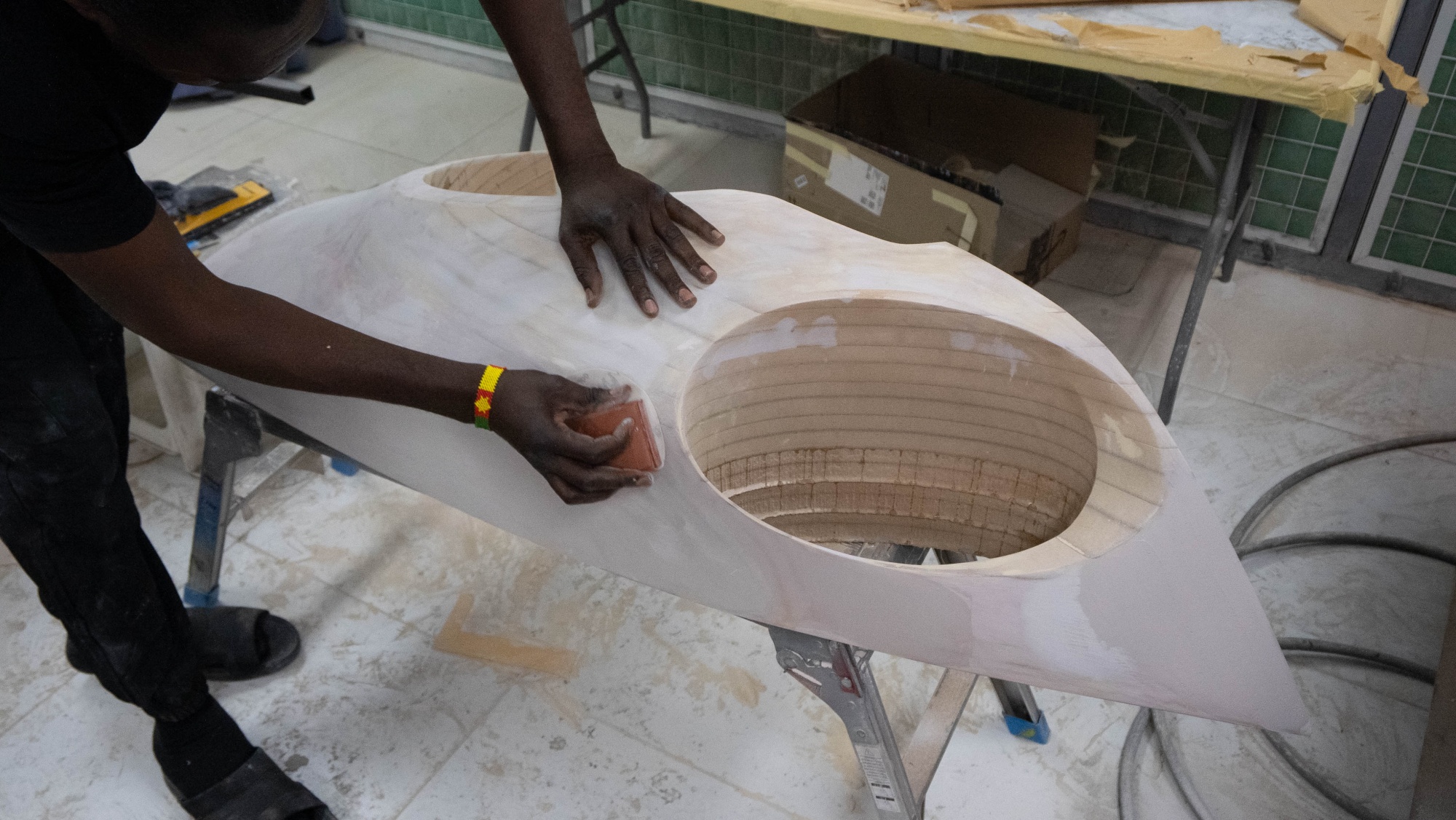
Following aerodynamic validation, CNC-machined molds were produced and prepared for composite manufacturing. Each body panel was then formed using hand-laid carbon construction, ensuring precise fiber placement and consistent quality across the entire vehicle.
For the visible outer layer, Twill carbon fiber (240 g/m²) was selected to achieve a refined, premium surface finish. To build structural thickness and mechanical strength, 300 g/m² biaxial carbon fabric was used beneath the surface layer. The use of biaxial reinforcement allows the carbon structure to achieve maximum stiffness, strength, and load resistance while maintaining low weight.
This full carbon Porsche 911 Turbo S project reflects DEIZ GARAGE’s approach to performance-focused carbon manufacturing, where engineering, aerodynamics, and advanced materials work together to deliver real functional results.
Follow Our World: Instagram | Facebook
Text or Call Us: WhatsApp | +971 4 608 68 08