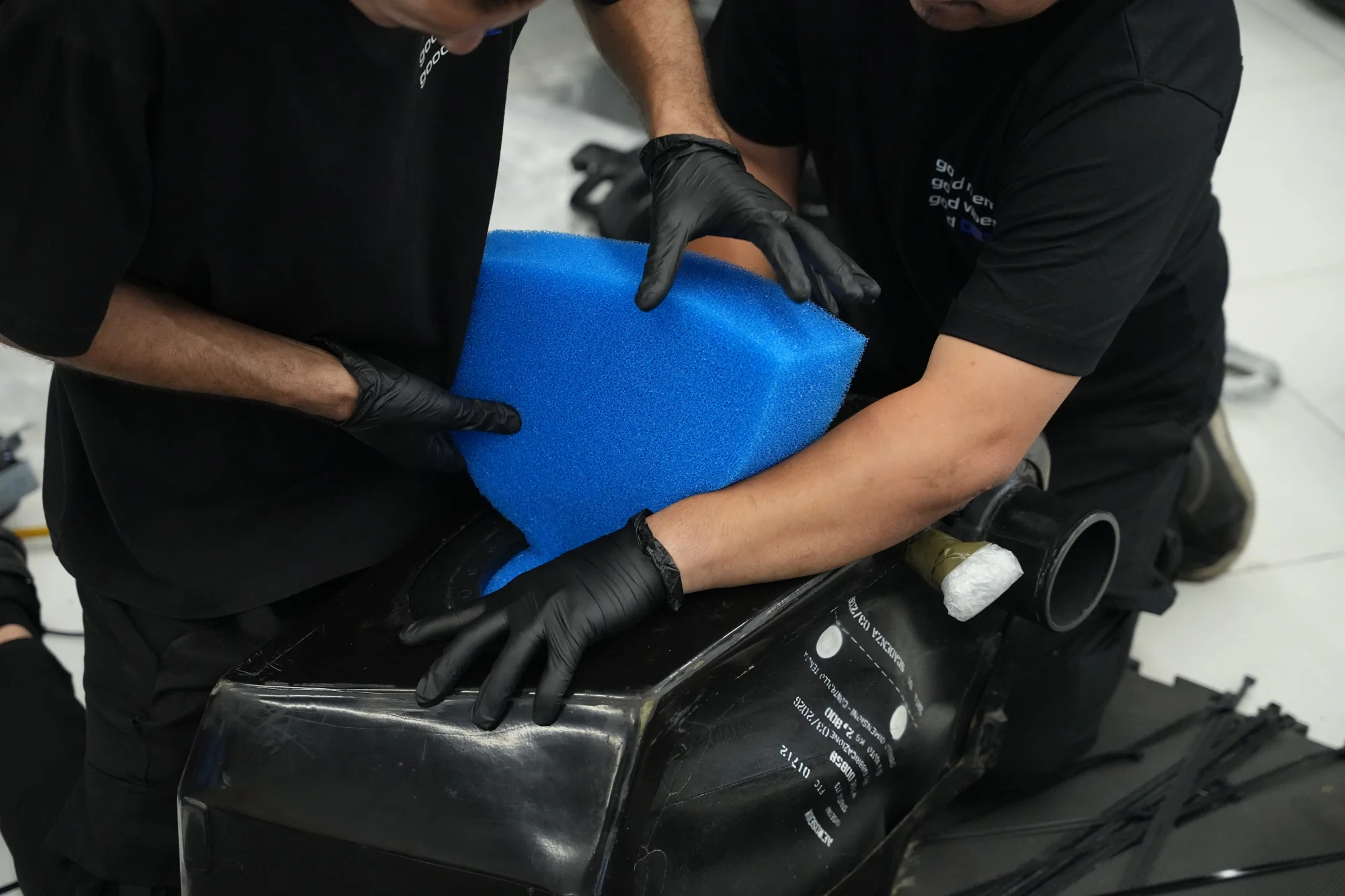
How documented tank expiry dates, ageing fuel lines and tested original injectors shaped the fuel-system service on a Ferrari F40.
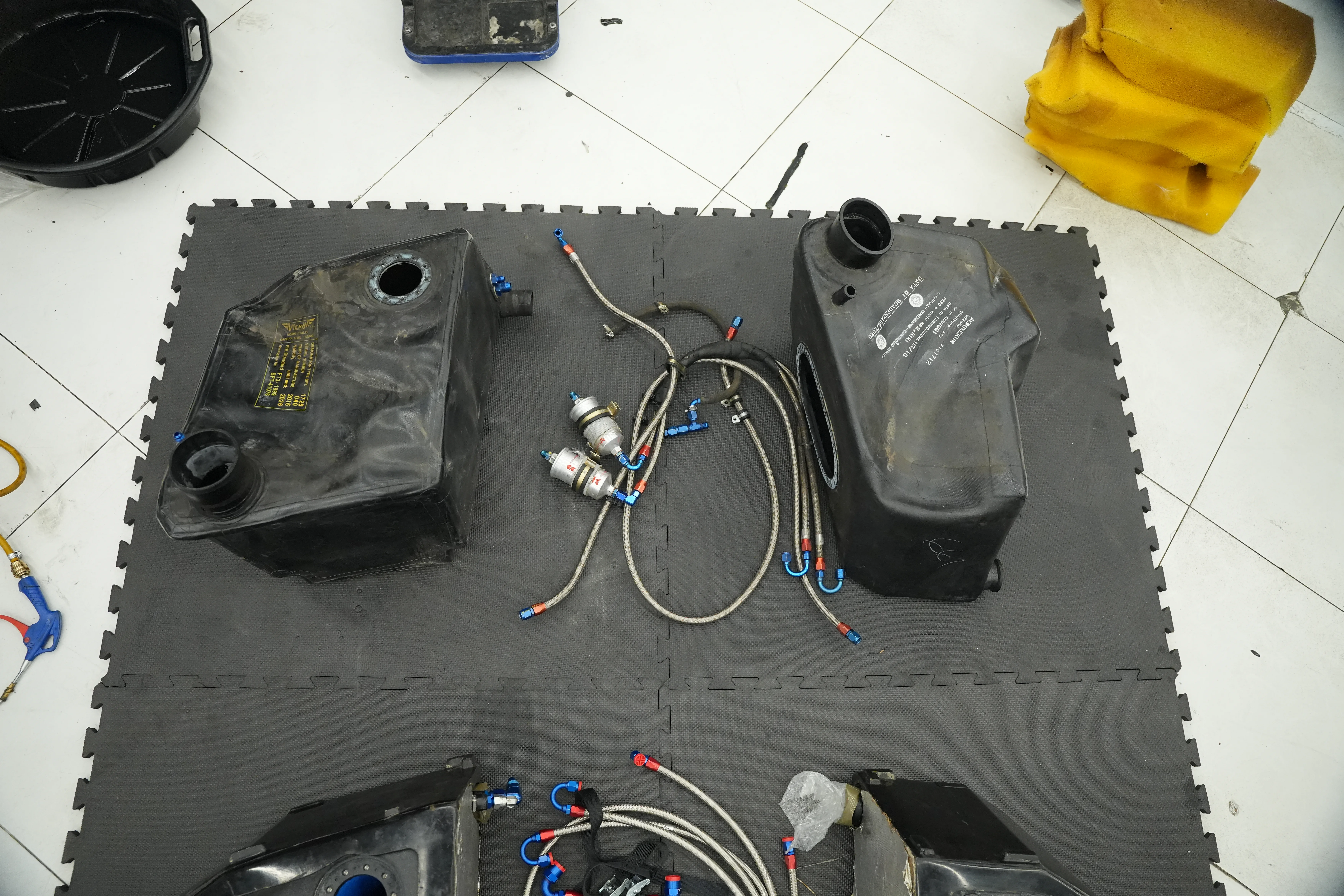
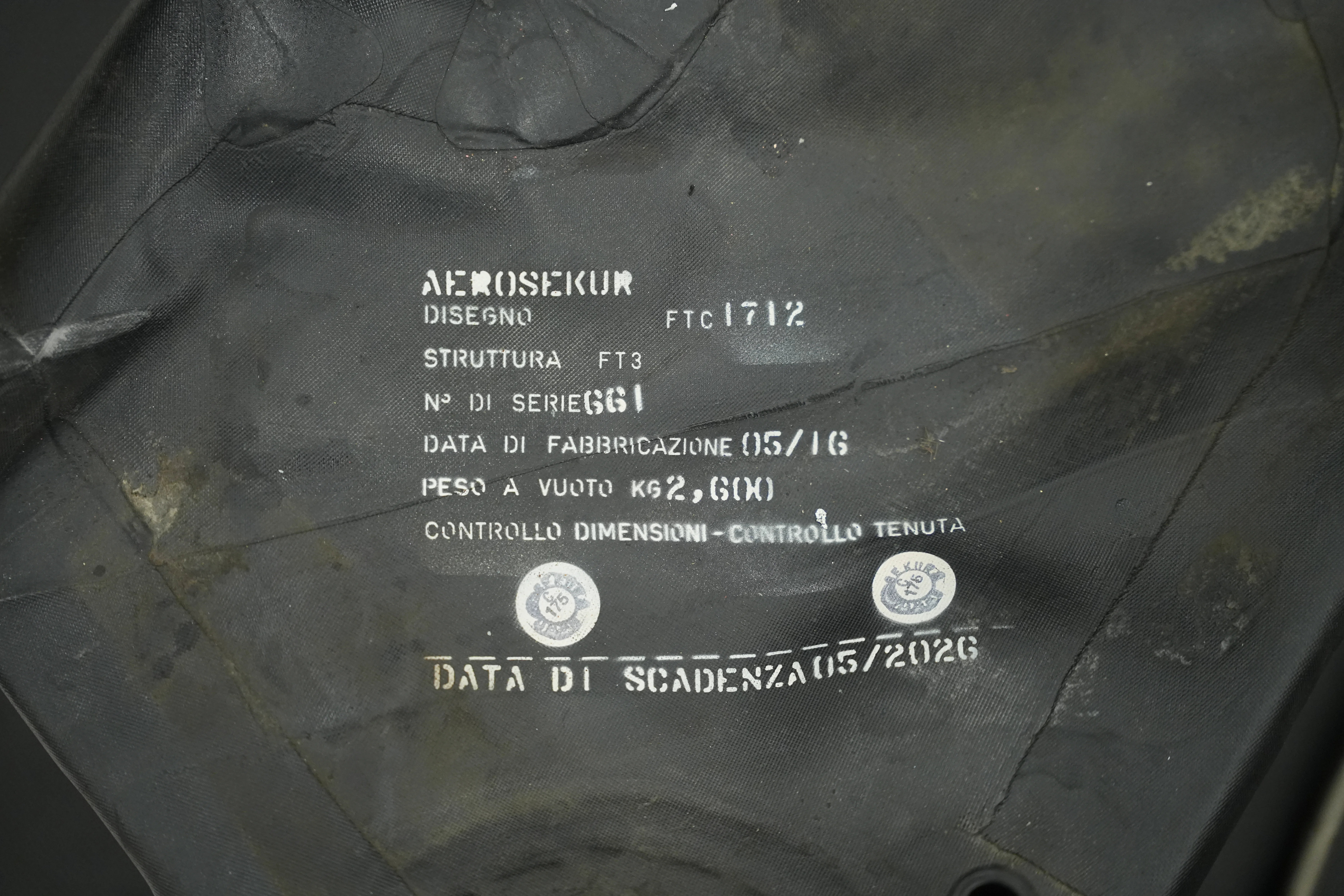
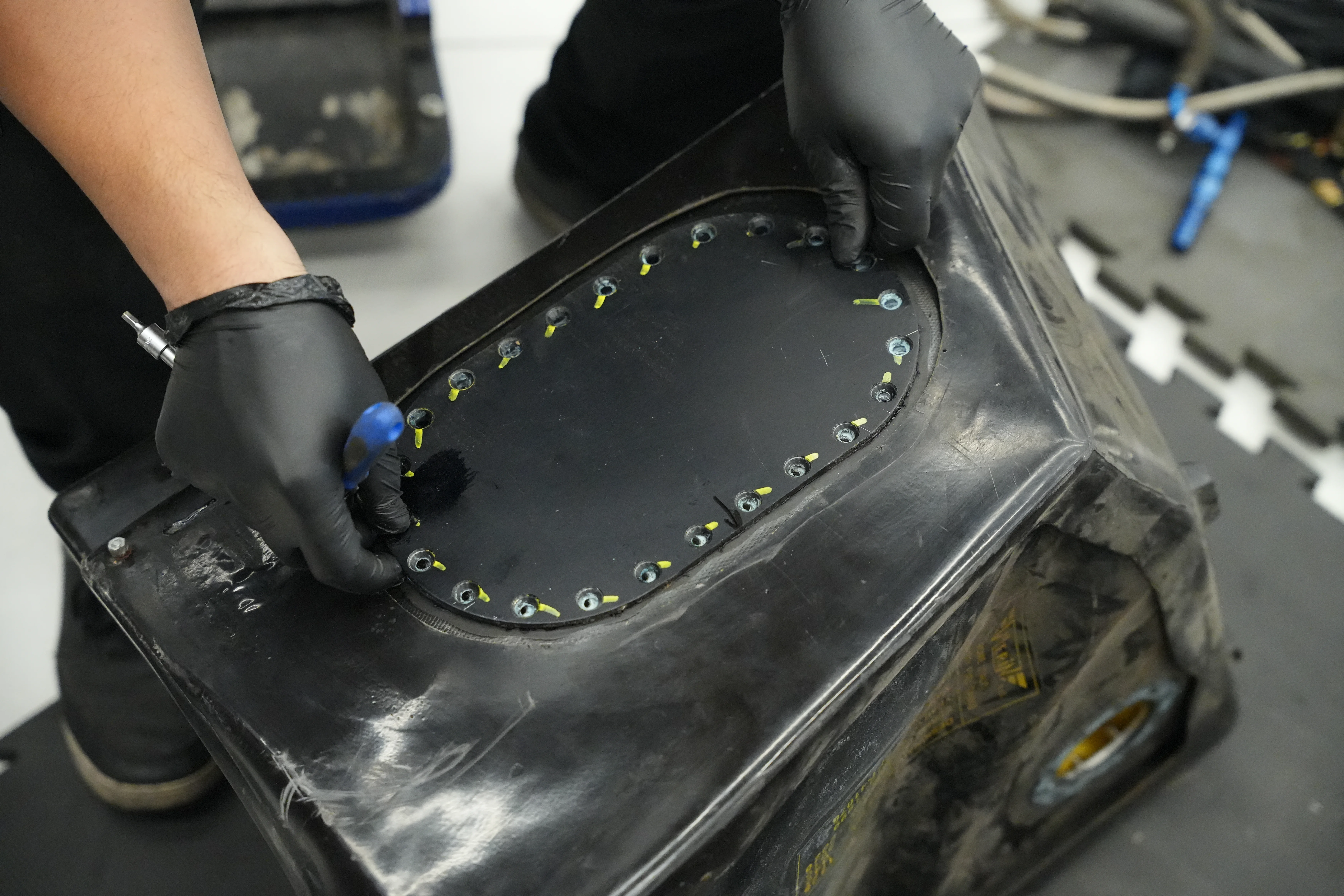
During a major service at DEIZ GARAGE in Dubai, a Ferrari F40 required replacement of both fuel tanks. The removed tanks, manufactured in July 2016, had reached their documented expiry date of July 2026, although inspection revealed no cracks, visible damage or leaks.
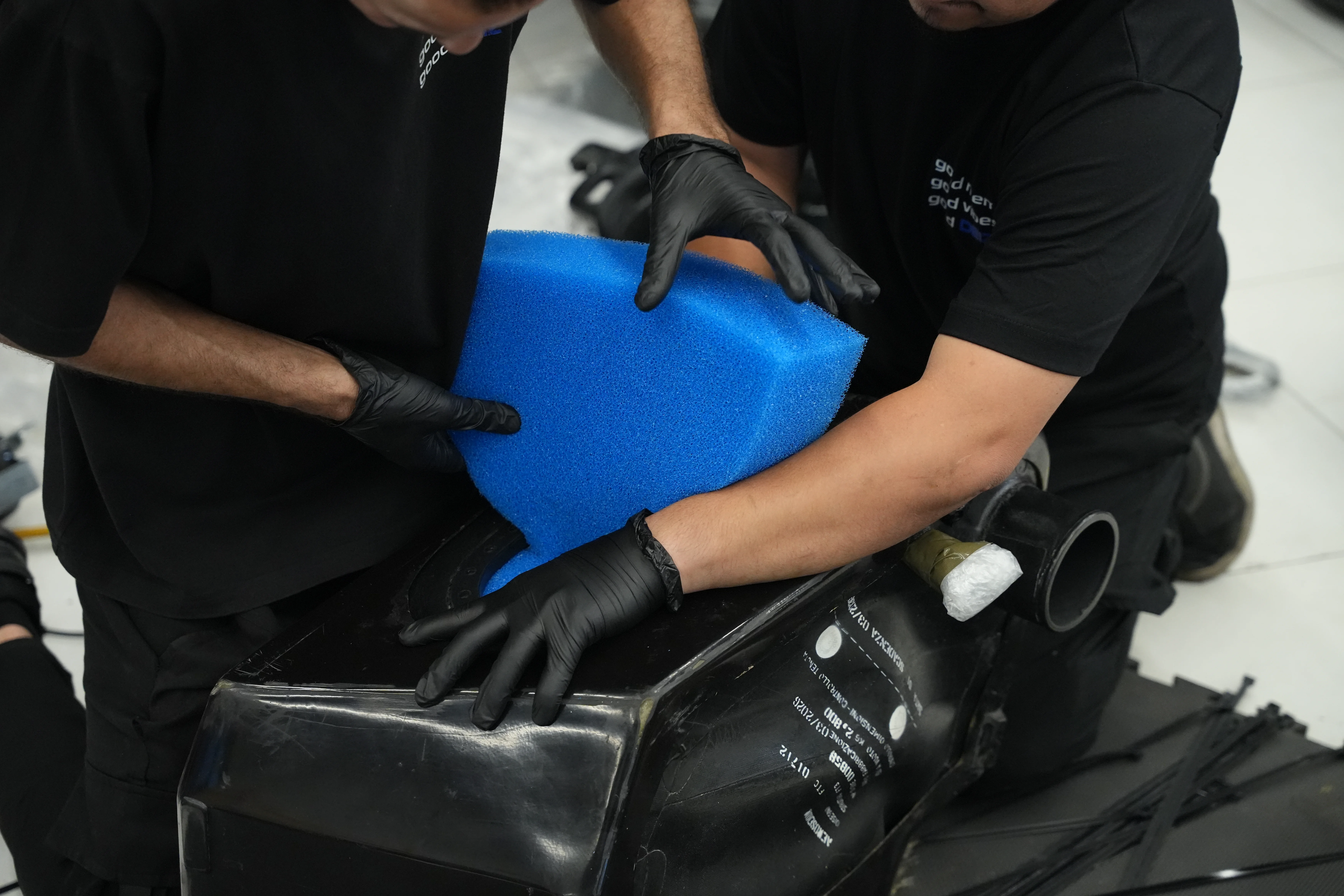
We installed genuine Ferrari tanks manufactured in March 2026, with certificates stating an expiry of March 2036. Fuel lines, filters and pressure regulators were also renewed. The original injectors were cleaned, flow-tested and retained after passing inspection.
The assembled fuel system underwent delivery, pressure, residual-pressure and leak checks on both banks before the car progressed to starting and road testing.
Ferrari F40 Fuel Tanks: Configuration and Replacement Requirements
Ferrari F40 fuel-tank requirements depend on the car’s configuration. The F40 Workshop Manual describes flexible rubberised-textile tanks for one installation, while the separate US technical manual describes aluminium tanks. [1][2]
These references should not be treated as interchangeable. Maintenance decisions must follow the tank type actually fitted, its component documentation and the applicable factory procedures.
Why the tanks were replaced
The tanks removed from this car showed no identified physical damage, but their documented service life had ended.
|
Item |
Removed tanks |
Replacement tanks |
|
Manufacture date |
July 2016 |
March 2026 |
|
Documented expiry |
July 2026 |
March 2036 |
|
Condition |
No cracks, damage or leaks identified |
New genuine Ferrari components |
|
Documentation |
Existing component dates |
Individual certificates and expiry markings |
These dates concern this particular F40, not every Ferrari F40 fuel-tank installation.
The replacement tanks have a documented ten-year period between manufacture and expiry. This period begins on the manufacture date, not the installation date.
Factory inspection guidance
The Ferrari F40 Workshop Manual calls for checks of flexible-tank material and leak-tightness every five years. Its five-year replacement wording specifically concerns racing use. [1]
It would therefore be incorrect to apply a universal five-year replacement interval to every road-going F40.
Inspection findings and component certificates serve different purposes. An inspection establishes observable condition at that time; a certificate records component identity and expiry. Neither replaces the applicable factory requirements.
In this project, replacement was justified by the tank dates, not by a confirmed fuel leak.
Fuel Lines, Pressure Regulators and Injector Testing
The existing fuel lines appeared aged, and no reliable replacement history was available. We renewed them together with the fuel filters and pressure regulators.
New thermal protection was also fitted around the fuel tanks.
The original injectors were removed, cleaned and flow-tested. All were within specification, so they were refitted.
|
Component |
Finding |
Work |
|
Fuel tanks |
Documented service life ended |
Replaced |
|
Fuel lines |
Aged appearance; history unknown |
Renewed |
|
Filters and pressure regulators |
Included in major-service scope |
Replaced |
|
Original injectors |
Flow-tested within specification |
Retained and refitted |
The injector findings supported preservation of the original components rather than replacement without a demonstrated need.
Individual flow readings were not supplied in the project material, so no numerical improvement from cleaning is claimed.
Ferrari F40 Factory Fuel Pressure Specifications
The Ferrari F40 Workshop Manual separates pump delivery, operating pressure and residual-pressure testing. [1]
|
Test |
Factory reference |
|
Pump delivery |
1.50–1.70 litres in 30 seconds |
|
Delivery test conditions |
12 V measured at the pump; each bank tested separately |
|
Fuel pressure |
3.0 ± 0.1 bar under specified test conditions |
|
Residual pressure |
At least one minute for pressure to fall to 2.5 bar after pump shutdown |
These figures are manufacturer references, not measurements taken from this car.
The delivery quantity refers to a free-delivery test. It should not be interpreted as the pump’s output while operating against 3 bar.
Likewise, the pressure and residual-pressure values belong to their respective factory test arrangements. They must not be combined into a single operating specification.
Verification after replacement
DEIZ GARAGE checked fuel delivery, operating pressure, residual-pressure behaviour and leak-tightness on both banks. Connections disturbed during the work were inspected again before starting.
The available record confirms the scope of these checks but does not provide individual measured pressure or delivery values.
After the fuel-system checks and preliminary oil circulation, the F40 progressed through first start, controlled warm-up and diagnostic checks. Road testing was followed by further inspection and fluid-level verification.
This established a documented return-to-operation sequence without claiming unrecorded performance results.
Originality, Ferrari Classiche and Service Records
The fuel-system work formed part of a wider F40 major service focused on factory specification and preservation of serviceable original parts.
The tank and injector decisions illustrate that approach: the tanks were replaced because their documented life had ended, while the original injectors were retained because testing found them within specification.
The wider project included Ferrari Classiche certification. That assessment concerns vehicle authenticity, whereas the individual tank certificates establish the identity and dates of the replacement components. [3]
The service was also recorded in a photographic album exceeding 300 pages. Removed parts were labelled and packaged for the owner.
The owner’s records include the tank certificates, component replacement information, injector testing and fuel-system checks. The new tanks’ March 2036 expiry should remain visible in future maintenance records, alongside any applicable periodic inspection requirements.
FAQ
How often should Ferrari F40 fuel tanks be replaced?
Requirements depend on tank configuration, documentation and intended use. The flexible-tank manual distinguishes five-year inspections from replacement instructions associated with racing use. The tanks installed in this project have a documented March 2036 expiry.
Can F40 fuel tanks require replacement without leaking?
Yes. The removed tanks had reached their documented expiry despite having no identified cracks, visible damage or leaks.
Do all Ferrari F40 fuel tanks have a ten-year service life?
No. The ten-year period applies to the replacement tanks documented in this case. Other installations require their own component and factory references.
Why were the original injectors retained?
All original injectors were cleaned, flow-tested and found within specification. They were refitted rather than replaced.
What is the Ferrari F40 fuel pressure specification?
The applicable Workshop Manual reference specifies 3.0 ± 0.1 bar under defined factory test conditions. This is not a measured result from this particular car.
How is Ferrari F40 fuel pump delivery checked?
The factory reference specifies 1.50–1.70 litres in 30 seconds, at 12 V measured at the pump, with each bank assessed separately. This is a free-delivery test.
Technical References
[1] Ferrari F40 Workshop Manual, Chapter C. Fuel-tank construction, inspection guidance, pump-delivery and fuel-pressure procedures.
[2] Ferrari F40 Technical Manual, US Version, Chapter C7. Aluminium fuel-tank configuration specific to the US version.
[3] Ferrari Classiche brochure. Ferrari’s authenticity assessment, distinct from certification of individual replacement parts.
The vehicle-specific findings and dates come from the DEIZ GARAGE project record. Factory specifications are provided as technical references, not as measurements recorded during this service.