
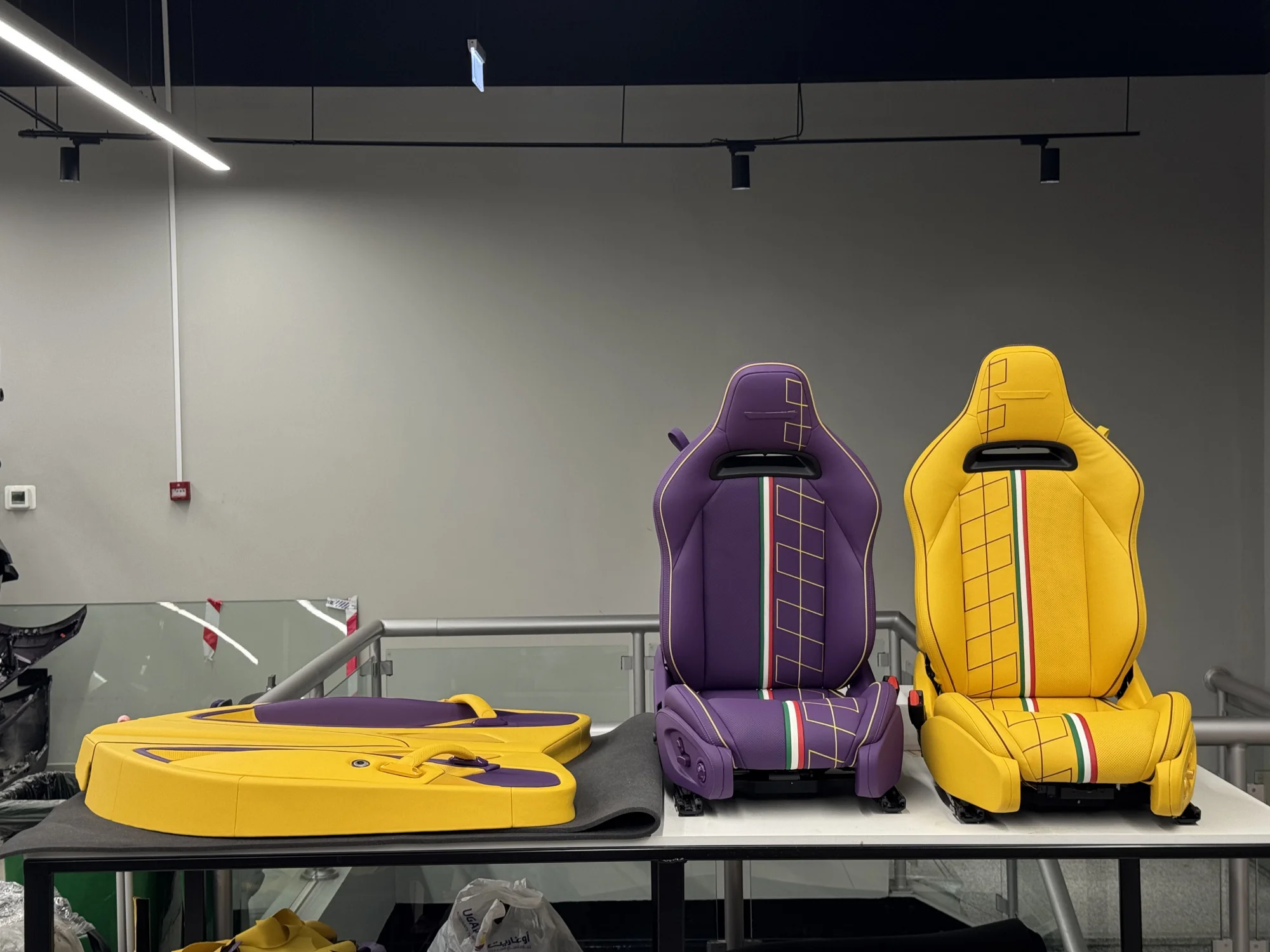
A premium vehicle interior project should begin with a written brief, a cabin condition record, and a defined approval process. That preparation turns a broad request such as "refresh the cabin" into work that can be priced, checked, and accepted without argument later. A vehicle interior project is the planned repair, restoration, refresh, customization, or replacement of specified cabin components. An interior specification is the written description of the required materials, colours, components, finish, retained parts, and approval points. Bring both to the first workshop meeting, along with photographs, vehicle details, and records of earlier work.
The car is the reference point.
Define the vehicle interior project before requesting quotes
A clear vehicle interior project gives the workshop a scope it can quote and execute. If the scope is vague, the estimate will be vague too, because the workshop cannot reliably separate trim work, parts, disassembly, and finishing.
Start by deciding what the project is meant to achieve. Restoration seeks to retain the vehicle's original character. Repair addresses damage or wear in defined areas. A refresh updates selected surfaces without rebuilding the cabin. Customization changes the appearance or function of the interior. Full Interior Reupholstery, also called an interior retrim, is a complete interior rebuild covering seats, door panels, steering wheel, headliner, and trim.
A restoration works from existing factory details; customization works from approved changes. The two approaches can overlap, but they should not be described as the same job.
Build the interior specification before asking for prices
Write down the cabin areas included in the project. Door panels, seats, central console, and dashboard are common scope items, but each one needs its own instruction. "Redo the seats" is not a specification. It doesn't say whether the frames, foam, seat controls, heating functions, ventilation, trim panels, or original upholstery are included.
| Decision | What to define | Why it belongs in the interior specification |
|---|---|---|
| Project type | Restoration, repair, refresh, customization, or full interior replacement | The project type determines what may be retained, replaced, or altered. |
| Cabin areas | Seats, door panels, dashboard, console, carpets, headliner, steering wheel, trim | A workshop needs a component-by-component scope. |
| Intended use | Daily driving, weekend use, collection, display, or sale preparation | Use determines the required balance between appearance, cleaning needs, and wear tolerance. |
| Priority order | Originality, customization, comfort, durability, resale considerations | Priorities resolve conflicts before work starts. |
| Visual direction | Colours, stitching, perforation, trim finish, reference images | References show preference, but the written specification sets the requirement. |
| Retained components | Original manufacturer parts to remain fitted, returned, or stored | Removed components can matter to future servicing or resale discussions. |
Use reference images carefully. A photograph may show a colour combination you like, yet it may not show material grain, panel fit, stitching depth, or how the finish looks under direct sun. Treat it as a design reference, not as a final instruction.
Bring a one-page project brief
A useful brief can be short. It should answer the following points before the consultation:
- State the exact make, model, model year, market specification, current trim, and vehicle identification details.
- List every cabin component included in the vehicle interior project.
- Mark components that must remain untouched.
- State whether original manufacturer parts must be returned, stored, or refitted.
- Identify materials and finishes that are fixed requirements rather than preferences.
- Attach photographs of the current cabin and visual references for the proposed finish.
- Set a written approval point before any irreversible trim removal or cutting begins.
Clear scope, estimate, and timeline should be connected. If the scope changes after dismantling, the cost and completion date may change with it. That is not necessarily a problem. An undocumented change is.
Inspect the current cabin and record the baseline
A cabin condition record protects both the owner and the workshop by documenting the vehicle before trim work begins. It should contain dated photographs, close-ups of existing defects, and notes on functions that need to work after reassembly.
Begin with inspection and diagnostics. Look beyond visible leather wear. Check switches, seat movement, warning lights, screens, charging ports, locks, seat belts, and any feature that may be affected when panels or seats are removed.
Record existing condition before disassembly
| Cabin area | What to photograph or test | What to record |
|---|---|---|
| Seats | Bolsters, stitching, perforation, adjusters, memory controls, heating or ventilation controls | Wear, creasing, stains, tears, marks, and operating condition |
| Steering wheel | Leather, trim, switches, paddle controls, airbag cover condition | Surface damage, loose trim, button response, warning lights |
| Dashboard and console | Trim panels, vents, screens, switches, storage lids | Scratches, gaps, marks, screen condition, existing rattles |
| Door panels | Handles, speaker grilles, switch panels, pocket linings | Scuffs, loose clips, stains, window and lock operation |
| Headliner and pillars | Fabric tension, marks, trim fit | Sagging, stains, trim damage, visible fastener marks |
| Carpet and floor areas | Mats, heel wear, seat rails, under-seat areas | Moisture marks, odours, stains, previous repairs |
| Original trim and labels | Part labels, factory tags, special-edition details | Parts to retain, return, or store separately |
Photograph the cabin in daylight and in shaded conditions. Take wide images first, then close-ups. A small mark on a door card can become a large disagreement if neither side recorded it before the work began.
Bring service invoices, records of prior repairs, and details of previous modifications. A custom audio installation, non-original seat, or earlier wiring change may affect dismantling and reassembly. The workshop needs to know before it begins, not when a panel is already off.
The defects that get missed
The most common mistake is treating upholstery as a surface-only job. It isn't. A torn seat panel is visible, but a slow seat adjustment, an existing warning light, or a loose console switch can be hidden until the cabin is dismantled.
Why does that matter? Because trim removal can expose earlier repairs, broken clips, altered wiring, or damaged mounting points. Record them first. Then the pre-work state remains clear.
Choose materials based on climate, use, and vehicle value
Material choice for a Dubai vehicle interior project should be based on heat exposure, sunlight exposure, intended use, cleaning routine, and the owner's view of originality. A material that looks right in a workshop can behave differently after repeated parking in direct sun or regular daily use.
Ask for a physical material sample. View it in normal cabin light, shade, and direct sunlight where practical. Photographs flatten texture and can shift colour. They are useful for direction, not final approval.
Compare materials by the job they must do
| Material or finish | Suitable use case | Questions to include in the interior specification |
|---|---|---|
| Leather | Premium daily use, restoration-style work, comfort-focused projects | What is the finish, colour, grain, cleaning method, and expected care routine? |
| Alcantara-type material | Performance-oriented cabins, steering-wheel sections, selected trim surfaces | Where will it be fitted, how will colour transfer be managed, and what cleaning method is required? |
| Textile | Period-correct work, selected inserts, collector-led projects | Is it intended for regular use, and how will it be protected from sunlight and wear? |
| Carbon-fibre trim | Custom performance styling or replacement trim | Is the finish gloss or matte, are edges protected, and are original trim pieces retained? |
| Wood trim | Originality-led or coachbuilt-style cabins | How will colour matching, grain direction, and sunlight exposure be assessed? |
| Synthetic material | Areas selected for cleaning practicality or a specified look | What is the surface finish, cleaning requirement, and intended location in the cabin? |
Daily use and collection use require different decisions. A daily-driven car needs a material plan that accounts for repeated entry, clothing contact, cleaning, and heat exposure. A display-led or collector vehicle may place more weight on original appearance, correct patterns, and preservation of original manufacturer parts.
Include soundproofing in the scope only when it is specific
Soundproofing should never appear as a vague promise of a "quieter cabin". Complete car interior soundproofing can involve the roof, floor, trunk, front and rear wheel arches from inside, rear fenders, doors including the trunk lid, and hood insulation. Each area should be stated in the scope.
The result depends on the material and its placement. Vibration-insulating materials reduce metal vibration, sound-insulating materials reflect sound waves, sound-absorbing materials absorb them, and anti-squeak materials target noises from interior trim elements. A thicker layer is not automatically the smarter answer. Placement matters.
Request approval of the material sample before ordering. The final interior specification should name the material, colour, finish, stitching colour, stitching pattern, perforation if used, trim finish, and the exact cabin area for each selection.
Verify the Dubai workshop and order conditions
Before approving interior work in Dubai, verify the workshop's process, written scope, handling of parts, payment stages, and final handover conditions. A polished showroom image is not enough. The useful question is simpler: who will do the work, where will the vehicle be kept, and what is documented at each stage?
DEIZ GARAGE states on its website that it does not outsource to contractors and that work is completed under one roof. Its listed location is Dubai, UAE, with services available across the GCC on request, and stated opening hours of 10:00 to 19:00. Owners should still ask the same process questions of any workshop they consider.
Verify the order before the vehicle is handed over
| Check | What to request or confirm | What should be written down |
|---|---|---|
| Comparable experience | Examples of work on similar vehicle categories and project types | The vehicle category and relevant trim work experience |
| Scope | A component-by-component estimate | Included work, excluded work, and owner-supplied items |
| Original parts | Handling of removed original manufacturer parts | Labelling, storage, return, or disposal instructions |
| Custom parts | Details of bespoke components | Material, finish, fitting method, and approval requirement |
| Change control | Process for additional work or substitutions | Written owner approval before the change proceeds |
| Timing | Planned stages and expected completion date | What may affect the timeline and how delays are communicated |
| Progress approvals | Photographs or in-person review points | The stage at which owner approval is required |
| Handover | Final inspection and delivery briefing | Functional checks, visible finish review, care instructions, and unresolved items |
Production, installation, and finishing are different phases. Ask when each phase begins and what approval is needed between them. Quality control and delivery briefing should be part of the handover discussion, not an afterthought at collection time.
Check local requirements where the project touches safety equipment, structural components, major electrical integration, or replacement seating. Ask the relevant dealer, insurer, and authority about the individual vehicle and planned work. Their position may depend on the exact modification.
Prepare for supercar interior work
Supercar interior work needs a higher level of documentation because originality, retained components, electronics, and future resale discussions can carry more weight. DEIZ GARAGE lists custom projects as a separate category in its price list, so approval discipline matters from the first conversation.
That doesn't mean every supercar must remain untouched. It means the owner should know what cannot be reversed, what can be returned to factory appearance, and which removed parts must be stored.
Set approval points before permanent changes
Use this checklist before authorising trim removal or replacement:
- Confirm the exact model, model year, market specification, factory options, and current modifications.
- Photograph all original trim, labels, special finishes, and removable components.
- Mark which original manufacturer parts must be returned with the car.
- Ask whether the proposed work requires cutting, drilling, altered mounting points, or changes to wiring.
- Confirm how seat systems, steering-wheel controls, occupancy systems, warning lights, and connectors will be checked after reassembly.
- Approve materials and visible design details using physical samples.
- Agree that no substituted material or additional work proceeds without written approval.
- Retain the final interior specification, estimate, invoices, photographs, and care instructions after handover.
A Ferrari 296 and a Porsche 911 may both be high-value vehicles, but their cabin architecture, seat options, and factory equipment can differ sharply. Model names are a starting point, not a technical instruction.
The often-heard view is that a bespoke interior automatically makes a car more personal and therefore more valuable. Personal, perhaps. Value is a separate conversation, because future buyers may prefer original trim, documented reversibility, or a complete set of removed components.
Porsche and Ferrari interior preparation checklist
Porsche and Ferrari owners should give the workshop exact vehicle details before accepting recommendations on upholstery, custom parts, or electronics. Brand name alone is too broad. The relevant differences may sit in the model year, trim level, seat type, market specification, factory options, or earlier modifications.
The available model range can include Porsche 911, Macan, Panamera, and Taycan, alongside Ferrari models such as the 296, 488, 812, Roma, and SF90. This does not establish compatibility between any parts. It shows why the workshop must inspect the individual vehicle.
Questions to ask before approving work
| Area | Porsche and Ferrari owner question |
|---|---|
| Vehicle identity | Have you checked the exact model, model year, market specification, current trim, and factory options? |
| Seats | What must be verified before upholstery work around seat controls, occupancy systems, heating, ventilation, or electrical connectors? |
| Steering wheel | How will switches, paddle controls, airbag-related components, and trim be protected and checked? |
| Dashboard and console | Which screens, switches, vents, controls, and panels will be removed or retained? |
| Original trim | Which parts, labels, and hardware will be documented and returned after removal? |
| Custom materials | Has the sample been approved for its exact cabin location and intended use? |
| Custom parts | Are they bespoke components, and how will their fit and finish be approved before installation? |
| Warranty and insurance | What does the dealer, insurer, or relevant party require for this exact vehicle and proposed modification? |
| Final acceptance | Which seat, switch, screen, warning-light, and control functions will be checked at handover? |
Do not accept the phrase "it fits this model" without further detail. A Porsche or Ferrari can have different interior systems within the same broad model family. Ask what has been verified on your car.
Sign only when the record matches the car
The final order should read like the vehicle in front of you. It should identify the car, define the scope, list materials, distinguish original manufacturer parts from custom parts, set approvals, and state how completion will be checked.
If a detail matters at handover, write it down before work starts. Simple rule. Expensive cars don't make ambiguity less expensive.
FAQ
How do I prepare for a premium car interior project?
Prepare a written interior specification, photograph the cabin, record existing defects, define retained original manufacturer parts, approve physical material samples, and request a component-by-component scope before authorising work.
What should supercar owners in Dubai check before ordering interior work?
Supercar owners should check reversibility, original-part storage, material approval, electronics handling, written change control, and documentation for future service or resale discussions.
What should premium-car owners in Dubai ask a workshop?
Ask for a written scope, estimate, timeline, parts-handling plan, approval stages, progress documentation, final inspection process, and clear handover conditions.
What should Porsche and Ferrari owners verify before interior work?
Porsche and Ferrari owners should verify the exact vehicle specification, seat and steering-wheel systems, infotainment and controls, original trim retention, custom-part compatibility, and any dealer, insurer, or workshop requirements for that individual car.
